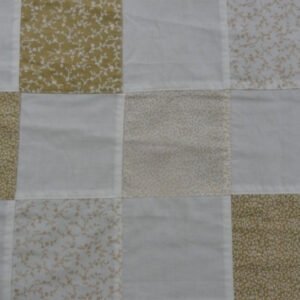
3 - Lenin Woven Fabric
📌 Description
✅ Key Features
✔ Highly breathable & moisture-wicking
✔ Stronger when wet (unlike cotton)
✘ Wrinkles easily (considered part of its charm)
✘ Can be stiff initially (softens with washes)
🧶 Fabric Construction
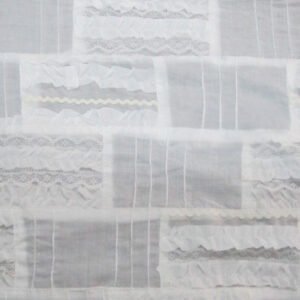
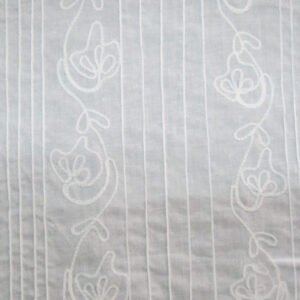
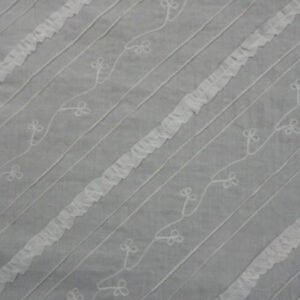
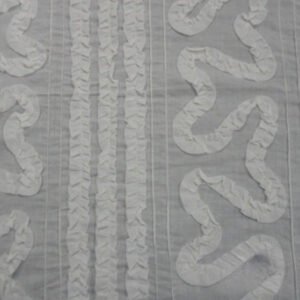
Plain weave or twill weave using flax fibers; known for its visible texture and occasional slubs, which are a natural feature of linen yarns
Weave: Plain or looser weaves (for breathability)
Finishes:
Stonewashed: Softer, pre-wrinkled look
Brushed: Slightly fuzzy texture
🧵 Fabric Content
100% linen (may also be available in blends with cotton, rayon, or viscose for added softness or reduced wrinkling)
Pure: 100% linen (most breathable)
Blends: Linen-cotton (softer, less wrinkly), linen-rayon (drapes better)
⚖️ Fabric Weight
Ranges from lightweight (around 120 GSM) to heavy (up to 350 GSM), depending on weave and intended use
📏 Fabric Width
Typically 52" to 60" (132 cm to 152 cm)
Standard: 54"–60" (apparel/home decor)
Wider options: Up to 72" (for upholstery)
🖨️ Printing Techniques
Highly suitable for digital, screen, and block printing. Linen’s smooth surface allows for clear, detailed prints. Pre-treatment is recommended for colorfastness.
Best: Screen printing, block printing, digital printing
Avoid: Heavy plastisol (may crack due to fabric texture)
🌍 Country of Origin: India
🧼 Care Instructions
Washing: Machine wash cold (gentle cycle) or hand wash
Drying: Air dry or tumble dry low (to minimize wrinkles)
Ironing: Steam while damp for best results
Bleach: Avoid (weakens fibers)
👗 Use Cases
Apparel (shirts, blouses, dresses, trousers, skirts, suits)
Summer and resort wear
Home textiles (curtains, table linens, napkins, bedding)
Accessories (scarves, bags)
Upholstery and light furnishings