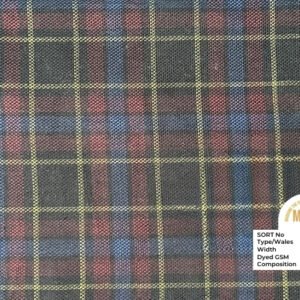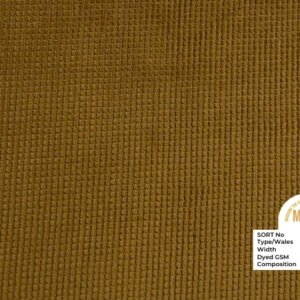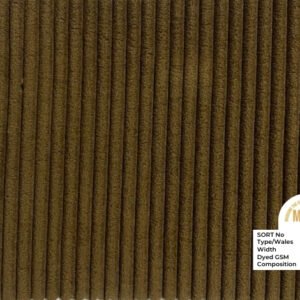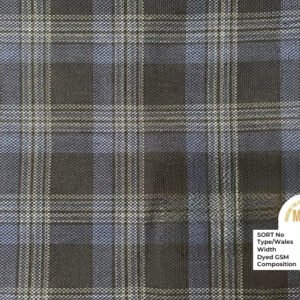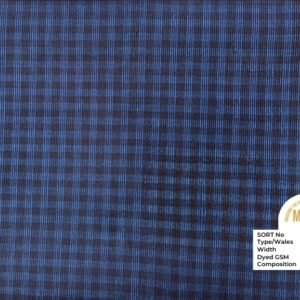

Description
✅ Key Features
✔ Textured & warm – Great for fall/winter
✔ Durable – Ages well with a vintage look
✘ Lint magnet – Use a lint roller frequently
✘ Stiffness – Softens over time
Patchwork Tip: Mix wale sizes for visual interest!
🧶 Fabric Construction:
Woven with a base twill weave and additional weft yarns that are later cut to create vertical ridges (wales). The number of wales per inch (e.g., 8-wale, 14-wale) determines the texture and feel—lower wale counts are chunkier; higher counts are finer and softer, stitched into patchwork layouts. May feature square or panel-style construction with visible seams for a handcrafted look
Wale Size: Fine (≥16 wales/inch), medium (8–15), wide (≤7).
Weave: Tightly woven base with cut-pile ridges.
Wale Size:
Pinwale (≥16 wales/inch): Delicate, dressier
Mid-wale (8–15): Versatile
Wide-wale (≤7): Bold, rustic
🧬 Fabric Content:
100% cotton (also available in cotton-polyester blends for added durability or stretch).
Traditional: 100% cotton (soft, breathable).
Blends: Cotton-polyester (more durable, less shrinkage), cotton-spandex (stretch).
⚖️ Fabric Weight:
Medium to heavy weight, typically between 200 GSM to 400 GSM, depending on wale size.
Lightweight (5–8 oz/yd²): Shirts, dresses.
Medium (8–12 oz/yd²): Pants, skirts.
Heavyweight (12+ oz/yd²): Jackets, upholstery.
📏 Fabric Width:
Typically 44" to 56" (112 cm to 142 cm)
Typically 54" to 60" (137 cm to 152 cm)
🖨️ Printing:
Generally not printed due to the textured surface; best used in solid colors or dyed finishes. Some subtle discharge or pigment prints are possible on wider wale types. Design is created through patchwork using solid-colored or textured corduroy panels
Best: Embroidery, appliqué, or screen printing (on flat areas)
Avoid: Digital printing (texture distorts designs)
Patchwork
🌍 Country of Origin: India
🧼 Care Instructions:
Machine wash cold on gentle cycle or hand wash
Turn inside out before washing to protect pile
Avoid bleach
Tumble dry low or air dry flat
Iron on reverse side if needed, on low to medium heat
Brush gently to maintain cord texture
🧵 Use Cases:
Apparel (pants, jackets, vests, skirts, overalls, shirts)
Children’s wear
Trousers, skirts, and pinafores
Upholstery (cushions, poufs, armchairs, ottomans)
Bags, hats, and accessories
Workwear and uniforms
Streetwear and retro fashion collections
Craft and DIY fashion projects
They are durable, textured textiles made from cotton with a distinct ribbed pattern, providing both comfort and warmth. These fabrics are known for their soft feel and versatility, often used for trousers, jackets, and casual wear. Indian corduroy is prized for its rich colors and craftsmanship, offering a blend of style and function.
A textured fabric with raised parallel ridges ("wales"), giving it a soft, ribbed feel. Durable, warm, and slightly stretchy depending on content. A textured fabric with raised parallel ridges ("wales"), offering a soft, velvety feel and durability.
🎨 Color:
Multi-color patchwork available in a wide range of colors, often combining warm, rich earthy tones or vibrant palettes to classic neutrals and pastels. Available in both tonal and contrasting combinations depending on design. It dyes evenly and holds color well due to its dense weave and cotton content.
Classic: Earth tones (mustard, olive, rust), neutrals (beige, black)
Fashion: Jewel tones (emerald, burgundy), pastels (pink, mint)
Patchwork: Pre-cut multi-color panels or self-assembled mixes
1 - Corduroy Woven Fabric
📌 Description
Corduroy Fabrics from India are durable textiles characterized by their distinctive ribbed texture, created by weaving cotton fibers into vertical ridges. Known for their softness and warmth, these fabrics are commonly used for clothing like jackets, pants, and skirts.


Join our network of wholesale sellers and unlock exclusive deals and collections.
Click the button below to sign up and get started!
1778 N Plano Rd suite # 100
Richardson, Texas 75081 USA
USA – California, Illinois, New Jersey Texas
102 – 1460 The Queensway, Etobicoke, Ontario, M8Z 1S7
Canada – Toronto
For Woven –
India +91 98406 54469
+1-732-875-8051 / +1-416-876-8864
contact@m2mwoven.com

Handloom Sample Approval Process – New Design Submission
Dear Customer,
Thank you for your interest in our handloom services. If you have an original design or sketch, please take a print and kindly share it with us (in PDF, JPEG) it will be good if you can provide pantone colors exactly to match, along with the following details:
Preferred fabric type (cotton, silk, linen, etc.)
Color palette/Pantone codes
Specific design notes (patterns, motifs, dimensions)
We’ll create a handloom sample for your approval before bulk production. Typical turnaround time: 15-20 days.
For any queries, feel free to contact us.
Note: Custom designs may require slight adjustments for handloom feasibility.